“Inclined to peace by his temper and situation, it was easy for [Augustus] to discover that Rome, in her present exalted situation, had much less to hope than to fear from the chance of arms; and that, in the prosecution of remote wars, the undertaking became every day more difficult, the event more doubtful, and the possession more precarious and less beneficial.”
Quote by Edward Gibbon
Work
The Modern Library Essential World History 4-Book Bundle: The Decline and Fall of the Roman Empire (Abridged); Montcalm and Wolfe; History of the Conquest of Mexico; The Naval War of 1812
The collection features Edward Gibbon's abridged version of 'The Decline and Fall of the Roman Empire', which examines the political and social factors leading to the fall of the Roman Empire. It also includes George B. Grundy's 'Montcalm and Wolfe', detailing the French and Indian War. Additionally, it includes 'History of the Conquest of Mexico' by William H. Prescott, which narrates the Spanish conquest of Mexico. Lastly, it includes Alfred Thayer Mahan's 'The Naval War of 1812', which analyzes the naval aspects of the War of 1812. more
Author
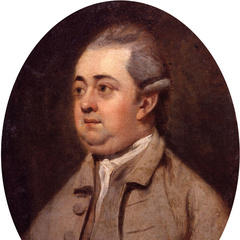
Edward Gibbon
Edward Gibbon was an English historian renowned for his magnum opus, 'The History of the Decline and Fall of the Roman Empire'. His work has had a profound impact on historical studies. more
You May Also Like
Source: Our Endangered Values: America's Moral Crisis
Source: On Pilgrimage
“Torture is how you create enemies, not how you defeat them.”
Source: The Seven Storey Mountain