Quotessence
Home / Quotes / Quote by James A. Michener

Quote by James A. Michener

Author

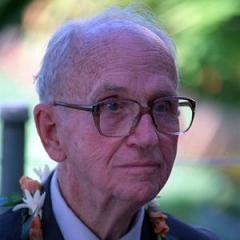
James A. Michener
James A. Michener

James A. Michener was an American author renowned for his epic novels, which are typically set against the backdrop of history and delve deeply into characters and events. Michener's writing style is characterized by its detailed descriptions and rich imagination, making him a favorite among readers. more

You May Also Like

“There is in life only one moment and in eternity only one. It is so brief that it is represented by the fleeting of a luminous mote through the thin ray of sunlight - and it is visible but a fraction of a second. The moments that preceded it have been lived, are forgotten and are without value; the moments that have not been lived have no existence and will have no value except in the moment that each shall be lived. While you are asleep you are dead; and whether you stay dead an hour or a billion years the time to you is the same.”

“We like to think we're superior to the people who, centuries ago, burned 'witches' for no better reason than a neighbor's belief that his crop failure or impotence was caused by that woman's action. But reporters are still prone to the same mental errors that caused these killings: seeing patterns where there are none, finding causes where there is only coincidence, ignoring our sources' political agendas and turning scanty evidence into panic.”

“Somehow it is the male's duty to put the best years of his life into work he doesn't like in order that he may "retire" and enjoy himself as soon as he is too old to do so. This is more than just the system - it is the credo. It is the same thing that prompted Thoreau to say, in 1839: 'The majority of men lead lives of quiet desperation.'”

“There is a word in Old English which belongs wholly to that civilization - "dustsceawung," meaning contemplation of dust. It is a true image of the Anglo-Saxon mind, or at least an echo of that consciousness which considered transcience and loss to be part of the human estate; it was a world in which life was uncertain and the principal diety was fate or destiny or "wyrd."”