“The privilege of a university education is a great one; the more widely it is extended the better for any country.”
Quote by Winston Churchill
Work
Europe Unite: Speeches 1947 and 1948
This volume gathers speeches given by Winston Churchill in the years immediately following the Second World War, a period marked by economic hardship, political realignment, and the hardening of ideological boundaries between Soviet-dominated Eastern Europe and the Western democracies. The speeches reflect Churchill's sustained campaign to foster closer ties among European nations, including his support for what would eventually develop into pan-European institutions. The 1947 and 1948 addresses were delivered in various settings, including the Congress of Europe at The Hague in 1948, and they articulate a vision of continental solidarity intended to secure peace, promote economic recovery, and strengthen democratic governance. The collection captures a pivotal moment in twentieth-century political history, documenting the rhetorical foundations of the European integration movement during the incipient stages of the Cold War. more
Author
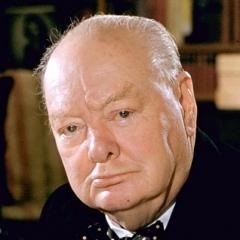
Winston Churchill
Winston Churchill, a former Prime Minister of the United Kingdom, was a statesman, historian, writer, and orator. He led the British people in resisting Nazi Germany during World War II and became a national hero. Churchill is renowned for his unique oratory style and steadfast political stance. more
You May Also Like
Source: My Early Life: 1874-1904
Source: My Early Life: 1874-1904
“How I hated this school, and what a life of anxiety I lived there for more than two years.”
Source: My Early Life: 1874-1904
“I devoured Gibbon. I rode triumphantly through it from end to end and enjoyed it all.”
Source: LILA An Inquriry into Morals
Source: The Politics of Reality: Essays in Feminist Theory
“One must separate from anything that forces one to repeat No again and again.”
Source: Newton's Philosophy of Nature: Selections from His Writings
Source: Gag Rule: On the Suppression of Dissent and the Stifling of Democracy