“Eloquence, to produce her full effect, should start from the head of the orator, as Pallas from the brain of Jove, completely armed and equipped. Diffidence, therefore, which is so able a mentor to the writer, would prove a dangerous counsellor for the orator.”
Quote by Charles Caleb Colton
Work
Lacon: Or, Many Things in Few Words, Addressed to Those who Think
This work delves into the principles of succinct communication, providing readers with guidance on how to convey complex concepts in a clear and concise manner. It is a treatise on the value of brevity and the importance of choosing words wisely. more
Author
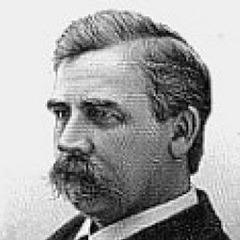
Charles Caleb Colton
Charles Caleb Colton was an English writer active from 1780 to 1832. Known for his humor and wit, he is particularly recognized for his aphorisms and satirical works. more
You May Also Like
Source: Lord Chesterfield's advice to his son on men and manners. To which are added, selections from Colton's 'Lacon'.
Source: Lacon: Or, Many Things in Few Words, Addressed to Those who Think
“If Satan ever laughs, it must be at hypocrites; they are the greatest dupes he has.”
Source: L.P.
Source: Lacon: Or, Many Things in Few Words, Addressed to Those who Think
“Knavery is supple, and can bend, but honesty is firm and upright and yields not.”
Source: Lacon: Or Many Things in Few Words, Addressed to Those who Think
Source: Lacon: Or Many Things in Few Words, Addressed to Those who Think
Source: Lacon: Or, Many Things in Few Words, Addressed to Those who Think