Quotessence
Home / Quotes / Quote by Robertson Davies

Quote by Robertson Davies

“We tend to think human knowledge as progressive; because we know more and more, our parents and grandparents are back numbers. But a contrary theory is possible - that we simply recognize different things at different times and in different ways.”

Quote by Robertson Davies

Work

The Cornish Trilogy

The Cornish Trilogy is a collection of historical fiction novels that delve into the rich history and culture of Cornwall, England. The series is known for its vivid portrayal of the region's past, exploring themes of tradition, heritage, and the human spirit amidst the picturesque Cornish landscape. more

Author

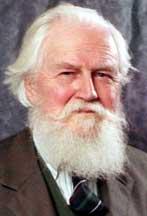
Robertson Davies
Robertson Davies

Robertson Davies was a Canadian novelist known for his wit and humor. His works often set in the Canadian society, exploring the relationship between individuals and society. Davies' works include the 'Amos Fortune' series and the 'Crown of the North' series, which are highly appreciated by readers. more

You May Also Like

“Nearly all runners do their slow runs too fast, and their fast runs too slow." Ken Mierke says. "So they're just training their bodies to burn sugar, which is the last thing a distance runner wants. You've got enough fat stored to run to California, so the more you train your body to burn fat instead of sugar, the longer your limited sugar tank is going to last." -The way to activate your fat-burning furnace is by staying below your aerobic threshold--your hard-breathing point--during your endurance runs.”

“Literature, real literature, must not be gulped down like some potion which may be good for the heart or good for the brain—the brain, that stomach of the soul. Literature must be taken and broken to bits, pulled apart, squashed—then its lovely reek will be smelt in the hollow of the palm, it will be munched and rolled upon the tongue with relish; then, and only then, its rare flavor will be appreciated at its true worth and the broken and crushed parts will again come together in your mind and disclose the beauty of a unity to which you have contributed something of your own blood.”

“There was our father, the heart we knew held all of us. Held us heavily and desperately, the doors of his heart opening and closing with the rapidity of stops on an instrument, the quiet felt closures, the ghostly fingering, practice and practice and then, incredibly, sound and melody and warmth.”