“To be free people we must assume total responsibility for ourselves, but in doing so must possess the capacity to reject responsibility that is not truly ours. To be organized and efficient, to live wisely, we must daily delay gratification and keep an eye on the future; yet to live joyously we must also possess the capacity, when it is not destructive, to live in the present and act spontaneously. In other words, discipline itself must be disciplined. The type of discipline required to discipline discipline is what I call balancing.”
Quote by M. Scott Peck
Author
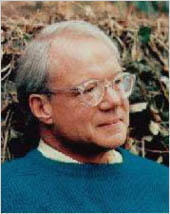
M. Scott Peck
M. Scott Peck was an American psychiatrist and writer, best known for his book 'The Road Less Traveled', which delves into themes of personal growth, psychotherapy, and the human mind. His writing style has been widely appreciated, and his works have had a profound impact on the fields of psychology and philosophy. more
You May Also Like
Source: The Road Less Traveled, Timeless Edition: A New Psychology of Love, Traditional Values and Spiritual Growth
Source: The Road Less Traveled, 25th Anniversary Edition: A New Psychology of Love, Traditional Values, and Spiritual Growth
Source: The Road Less Traveled, 25th Anniversary Edition: A New Psychology of Love, Traditional Values, and Spiritual Growth
“Death hath a thousand doors to let out life.”
Source: Dramatic Works: The guardian. A very woman. The old law. The city madam. Poems on several occasions
“There can no great smoke arise, but there must be some fire.”
Source: John Lyly 'Euphues: the Anatomy of Wit' and 'Euphues and His England': An Annotated, Modern-Spelling Edition
“Be valyaunt, but not too venturous. Let thy attyre bee comely, but not costly.”
“Rather fast then surfette, rather starue then striue to exceede.”
Source: Euphues. The Anatomy of Wit. Editio princeps, 1579. Euphues and his England. Editio princeps, 1580. Collated with early subsequent editions ... Carefully edited by Edward Arber
“The finest edge is made with the blunt whetstone.”
Source: Euphues. The Anatomy of Wit. Editio princeps, 1579. Euphues and his England. Editio princeps, 1580. Collated with early subsequent editions ... Carefully edited by Edward Arber
“A comely olde man as busie as a bee.”
Source: Eupheus, the Anatomy of Wit; Eupheus and His England
“Maydens, be they never so foolyshe, yet beeing fayre they are commonly fortunate.”