“I hold the view that the alchemist’s hope of conjuring out of matter the philosophical gold, or the panacea, or the wonderful stone, was only in part an illusion, an effect of projection; for the rest it corresponded to certain psychic facts that are of great importance in the psychology of the unconscious. As is shown by the texts and their symbolism, the alchemist projected what I have called the process of individuation into the phenomena of chemical change.”
Quote by Carl Jung
Work
The Collected Works of C. G. Jung
This collection encompasses a wide range of scholarly writings, essays, and clinical studies by Carl Gustav Jung, offering insights into his influential theories and concepts that have shaped the field of psychology. The works cover various topics such as dream analysis, alchemy, mythology, and the relationship between the individual and the collective unconscious. more
Author
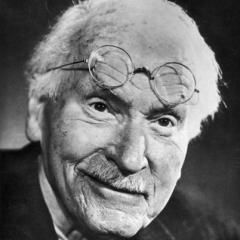
Carl Jung
Carl Jung, born on July 26, 1875, and died on June 6, 1961, was a renowned Swiss psychiatrist and psychologist. His theories have had a profound impact on fields such as psychology, psychiatry, and religious studies. Jung proposed the theory of personality types, the concept of the collective unconscious, and founded analytical psychology. more
You May Also Like
Source: The Earth Has a Soul: The Nature Writings of C.G. Jung
Source: Jung on Christianity
“Life really does begin at forty. Up until then, you are just doing research.”
Source: Psychology and religion: West and East
Source: Alchemical studies
Source: Like it is
“The experience of the self is always a defeat for the ego.”
Source: The Collected Works of C.G. Jung: Mysterium coniunctionis, an inquiry into the separation and synthesis of opposites in alchemy