“We have to hear the stories of women at all ages of their lives in order to really present a picture of what it felt like to be alive in our time. That's what our job is as writers is to present that and create it. Our job as writers isn't to make as much money as we can. Our job is to create a record of this time. That's why if you leave out women and the stories of women, we failed at our mission. All of us. Men and women.”
Quote by Marsha Norman
Author
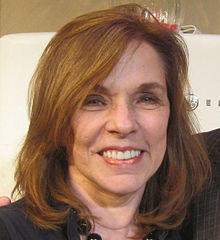
Marsha Norman
Marsha Norman, born on September 21, 1947, is an accomplished American playwright known for her profound human and social themes. Her most famous work is 'Who's Afraid of Virginia Woolf?', which won her the Pulitzer Prize for Drama. Her works include 'Who's Afraid of Virginia Woolf?' and 'A Delicate Balance', among others, with 'Who's Afraid of Virginia Woolf?' earning her the prestigious Pulitzer Prize for Drama. 'A Delicate Balance' is a story about women during the American Civil War and has also received widespread acclaim. Norman's works have had a profound impact on contemporary theater, revealing the complexity of human nature and the diversity of society through her unique perspective and insightful observations. more
You May Also Like
“Writing is no respecter of blueprints.”
Source: On Writing Well: An Informal Guide to Writing Nonfiction