“Heart and Brain are the two lords of life. In the metaphors of ordinary speech and in the stricter language of science, we use these terms to indicate two central powers, from which all motives radiate, to which all influences converge.”
Quote by George Henry Lewes
Author
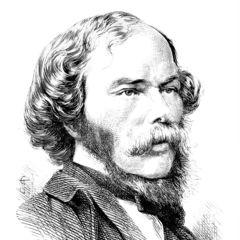
George Henry Lewes
George Henry Lewes was a British philosopher, literary critic, and writer. Born on April 18, 1817, and died on November 28, 1878, Lewes is known for his contributions to moral philosophy, aesthetics, and literary criticism. more
You May Also Like
Source: Scientific memoirs, being experimental contributions to a knowledge of radiant energy
Source: So Great a Vision: The Conservation Writings of George Perkins Marsh
“Influence is the single most important skill you can master in your lifetime.”
Source: Something More: Excavating Your Authentic Self
Source: The Morality of Woman: And Other Essays
Source: Selected Stories
“It is easier to gnaw through bone. Than the hide of the heart.”
Source: Lone Dog's Winter Count
“What we have most to fear is failure of the heart.”
Source: Going out of our minds: the metaphysics of liberation
Source: Kitchen Table Wisdom: Stories that Heal, 10th Anniversary Edition