“I had seen the damp lying on the outside of my little window, as if some goblin had been crying there all night, and using the window for a pocket-handkerchief.”
Quote by Charles Dickens
Work
The Complete Works of Charles Dickens: Great Expectations
The Complete Works of Charles Dickens: Great Expectations is a comprehensive collection that brings together the renowned author's literary masterpieces, including the beloved novel 'Great Expectations'. This compilation offers readers an opportunity to delve into Dickens' intricate narratives and profound insights into human nature, society, and morality. The novel 'Great Expectations' is a compelling tale of ambition, betrayal, and redemption, set against the backdrop of 19th-century England. It features memorable characters such as Pip, Estella, and Magwitch, and explores themes of social class, justice, and the search for identity. more
Author
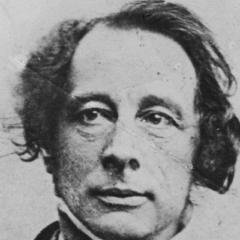
Charles Dickens
Charles Dickens, a British writer born on February 7, 1812, and died on June 9, 1870, is one of the greatest novelists of the 19th century. Known for his profound social criticism and vivid narrative style, Dickens' works extensively cover social reality, revealing various issues in the British society of the time. more
You May Also Like
“The night is young, and by the grace of magic, so are we.”
Source: The Fairy-Tale Detectives (The Sisters Grimm #1): 10th Anniversary Edition
Source: Tales and sketches
Source: Poems of Nature, Poems Subjective and Reminiscent and Religious Poems, Complete Volume II., the Works of Whittier