“The right of the people to keep and bear arms shall not be infringed, and this without any qualification as to their condition or degree, as is the case in the British government.”
Quote by St. George Tucker
Work
Blackstone's Commentaries: With Notes of Reference to the Constitution and Laws, of the Federal Government of the United States, and of the Commonwealth of Virginia: With an Appendix to Each Volume, Containing Short Tracts Upon Such Subjects as Appeared Necessary to Form a Connecte
This book is a foundational legal text that offers extensive commentary on the Constitution and laws of the United States and the Commonwealth of Virginia. It includes appendices with additional short tracts on relevant legal subjects, serving as a comprehensive reference for legal scholars and practitioners. more
Author
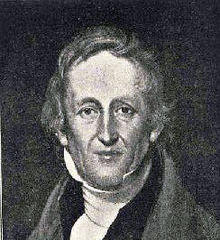
St. George Tucker
St. George Tucker was a prominent American lawyer and legal scholar, born on July 10, 1752, and died on November 10, 1827. He played a significant role in the development of American law and was a key figure in the early American legal system. Tucker's contributions to the field of law were extensive, and his work continues to be influential today. more
You May Also Like
Source: Blackstone's Commentaries: With Notes of Reference, to the Constitution and Laws, of the Federal Government of the United States; and of the Commonwealth of Virginia. In Five Volumes. With an Appendix to Each Volume, Containing Short Tracts Upon Such Subjects as Appeared Necessary to Form a Connected View of the Laws of Virginia, as a Member of the Federal Union
Source: Blackstone's Commentaries: With Notes of Reference to the Constitution and Laws, of the Federal Government of the United States, and of the Commonwealth of Virginia: With an Appendix to Each Volume, Containing Short Tracts Upon Such Subjects as Appeared Necessary to Form a Connecte
“Of all the many ways of organising banking, the worst is the one we have today.”
“Global market forces will sort out those companies that do not have sound corporate governance.”
“The underlying intellectual argument for seeking to tax economic rents retains its force.”