“Now the work of art also represents a state of final equilibrium, of accomplished order and maximum relative entropy, and there are those who resent it. But art is not meant to stop the stream of life. Within a narrow span of duration and space the work of art concentrates a view of the human condition; and sometimes it marks the steps of progression, just as a man climbing the dark stairs of a medieval tower assures himself by the changing sights glimpsed through its narrow windows that he is getting somewhere after all.”
Quote by Rudolf Arnheim
Work
Entropy and Art: An Essay on Disorder and Order
In 'Entropy and Art: An Essay on Disorder and Order,' the author delves into the intricate relationship between entropy, a measure of disorder, and order, which is often associated with structure and harmony. The book investigates how artists have historically navigated these opposing forces, offering insights into the creation of art that balances chaos and control. It includes discussions on various art forms, historical periods, and theoretical frameworks, providing a comprehensive analysis of the interplay between entropy and artistic creation. more
Author
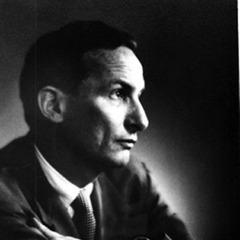
Rudolf Arnheim
Rudolf Arnheim was a renowned art theorist and psychologist, known for his profound insights into visual art and aesthetic experience. His work spans various fields including art psychology, film theory, and visual culture. more
You May Also Like
Source: Discourses on Painting and the Fine Arts, delivered at the Royal Academy. With a portrait
Source: THE TERRITORIAL IMPERATIVE
Source: AFRICAN GENISIS
“Beyond a wholesome discipline, be gentle with yourself.”
Source: Desiderata: A Survival Guide for Life