Quotessence
Home / Quotes / Quote by John Milton

Quote by John Milton

“Chaos umpire sits And by decision more embroils the fray by which he reigns: next him high arbiter Chance governs all.”

Quote by John Milton

Author
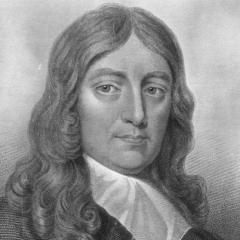
John Milton
John Milton

John Milton, born on December 9, 1608, in London, and died on November 8, 1674, was a renowned English poet and scholar. He is best known for his epic poem 'Paradise Lost,' which has had a profound impact on world literature. more

You May Also Like

“These are the saddest of possible words, Tinker-to-Evers-to-Chance. Trio of Bear Cubs fleeter than birds, Tinker-to-Evers-to-Chance. Ruthlessly pricking our gonfalon bubble, Making a Giant hit into a double, Words that are weighty with nothing but trouble, Tinker-to-Evers-to-Chance. This brief poem, immortalized the Chicago Cubs' double-play combination: Shortstop Joe Tinker, second baseman Johnny Evers, and first baseman Frank Chance.”

“The gentleman has nine cares. In seeing he is careful to see clearly; in hearing he is careful to hear distinctly; in his looks he is careful to be kind, in his manner to be respectful, in his words to be sincere, in his work to be diligent. When in doubt he is careful to ask for information; when angry he has a care for the consequences; and when he sees a chance for gain, he thinks carefully whether the pursuits of it would be right.”

“What I want you to understand, is the full evil of those who claim to have become convinced that this earth, by its nature, is a realm of malevolence where the good has no chance to win. Let them check their premises. Let them check their standards of value. Let them check - before they grant themselves the unspeakable license of evil-as-necessity - whether they know what is the good and what are the conditions it requires.”

“There is no enemy can hurt us but by our own hands. Satan could not hurt us, if our own corruption betrayed us not. Afflictions cannot hurt us without our own impatience. Temptations cannot hurt us, without our own yieldance. Death could not hurt us, without the sting of our own sins. Sins could not hurt us, without our own impenitence.”