“Our books approach very slowly the things we most wish to know.”
Quote by Ralph Waldo Emerson
Work
The Selected Works of Ralph Waldo Emerson
This comprehensive volume includes a selection of Ralph Waldo Emerson's most influential writings, showcasing his thoughts on individualism, transcendentalism, and the importance of self-reliance. Emerson's essays, such as 'Self-Reliance' and 'Nature,' are considered foundational texts in American literature and philosophy. more
Author
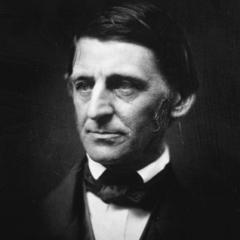
Ralph Waldo Emerson
American essayist, poet, and philosopher. Born on May 25, 1803, and died on April 27, 1882. Known for his transcendentalist philosophy, his works have had a profound impact on literature and the intellectual world. more
You May Also Like
Source: Delphi Complete Works of Ralph Waldo Emerson (Illustrated)
Source: The Portable Emerson: New Edition
Source: Society and Solitude: Twelve Chapters
Source: Essays and Lectures
Source: The Collected Works of Ralph Waldo Emerson: Nature, addresses, and lectures
“We know more from nature than we can at will communicate.”
Source: Nature
Source: Essays and English Traits by Ralph Waldo Emerson
Source: The Prose Works of Ralph Waldo Emerson
Source: Delphi Complete Works of Ralph Waldo Emerson (Illustrated)