“Well yet, this life such as it is, yet we love it, and loath we are to end it; and if it be in hazard by the law, what running, riding, posting, suing, bribing, and if all will not serve, what breaking prison is there for it!”
Quote by Lancelot Andrewes
Works: Ninety-six sermonsThis volume compiles ninety-six sermons, which are formal addresses on religious or moral subjects, typically delivered by a clergy member. The collection likely covers a range of theological themes, scriptural interpretations, and ethical exhortations, aimed at guiding listeners or readers in their faith and conduct. As a published work, it may serve as a resource for personal devotion, study, or reference within a Christian or other religious tradition, reflecting the homiletic style and doctrinal perspectives of its time. more
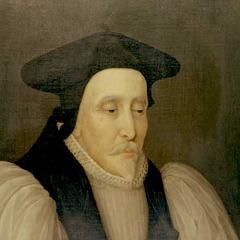
Lancelot AndrewesLancelot Andrewes was an English bishop and scholar, serving as the Bishop of Chichester. Born on July 16, 1555, and passing away on September 25, 1626, he was a prominent figure in the Church of England during the Elizabethan and Jacobean periods. His contributions to theology, literature, and the English language have left a lasting impact. more
“Behold, O Lord, that I am indignant with myself, for my senseless, profitless, hurtful, perilous passions; that I loathe myself, for these inordinate, unseemly, deformed, false, shameful, disgraceful passions; that my confusion is daily before me, and the shame of my face hath covered me. Alas! woe, woe! O me, how long?”
Source: The private devotions of Lancelot Andrewes
“For having wealth and wherewithal to "do good", if you do it not, talk not of faith, for you have no faith in you.”
Source: Ninety-six Sermons
“Wisdom ruleth in counsel -- so do riches.”
Source: Works: Ninety-six sermons
“Ever since our first fathers by infection took this morbum sathanicum, this devilish disease, pride, of the devil, such tinder is our nature, that every little spark sets us on fire; our nature hath grown so light, that every little thing puffeth us up, and sets us aloft in our altitudes presently.”
Source: Ninety-Six Sermons by the Right Honourable and Reverend Father in God, Lancelot Andrewes, Sometime Lord Bishop of Winchester, Vol. V
“Two things I recognize, O Lord, in myself: Nature, which Thou hast made; Sin, which I have added.”
Source: Private Prayers
“I am ever Thine. If Thou cast me out, who shall take me in? If Thou disregard me, who shall look on me? More canst Thou remit, than I commit; more canst Thou spare, than I offend. Let not hurtful pleasures overcome me; at the least let not any perverse habit overwhelm me; From evil and unlawful desires; From vain, hurtful, impure imaginations; from the illusions of evil spirits; from pollutions of soul and of body; Good Lord, deliver me.”
“Have mercy on me, Lord, for I am weak; remember, Lord, how short my time is; remember that I am but flesh, a wind that passeth away, and cometh not again. My days are as grass, as a flower of the field; for the wind goeth over me, and I am gone, and my place shall know me no more.”
Source: The Devotions of Bishop Andrewes: Translated from the Greek and Arranged Anew
“There is no part of the whole course of our Saviour Christ's life or death, but it is well worthy our looking on; and from each part in it there goeth virtue to do us good.”
Source: Ninety-six Sermons: Sermons preached in Lent, on Good-Friday, and on Easter-day
“Men use to reason with themselves: It will not always be health, let us lay up for sickness; it will not always be youth, for age; and why not, saith St. Paul, it will not alway be this life, nor alway present life, lay up for yourselves against the life to come.”
Source: Ninety-Six Sermons by the Right Honourable and Reverend Father in God, Lancelot Andrewes, Sometime Lord Bishop of Winchester, Vol. V
“It is good reason, that man consisting of two parts, the soul and body, the body only should not take up all, but the soul should be remembered too. Enjoying is the body's part, and well-doing is the soul's; your souls are suitors to you to remember them, that is, to remember well-doing, which is the soul's portion.”
Source: Works: Ninety-six sermons