“We must not then depend alone upon the love of liberty in the soul of man for its preservation.”
Quote by John Adams
Work
John Adams: Writings from the New Nation, 1784-1826
John Adams: Writings from the New Nation, 1784-1826 is a compilation of letters, essays, and speeches by John Adams, highlighting his role in the formation of the United States. The collection spans from his time as a delegate to the Continental Congress to his presidency and beyond, providing a comprehensive view of his political thought and actions during the nation's formative years. more
Author
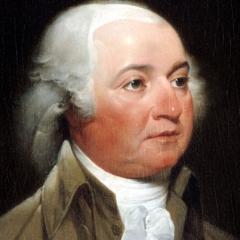
John Adams
John Adams, the second President of the United States, was a statesman, diplomat, and writer. Born on October 30, 1735, and died on July 4, 1826, Adams played a significant role in the American Revolutionary War. He was one of the drafters of the Declaration of Independence and served as the President from 1789 to 1797. more
You May Also Like
Source: Works: with a life of the author
Source: The Works of John Adams, Second President of the United States: With a Life of the Author, Notes and Illustrations
Source: The Works of John Adams, Second President of the United States: With a Life of the Author, Notes and Illustrations
Source: Warren-Adams Letters: Being Chiefly a Correspondence Among John Adams, Samuel Adams, and James Warren ... 1743-1814
Source: A Defence of the Constitutions of Government of the United States of America
“The National defense is one of the cardinal duties of a statesman.”
Source: Dinner to the Hon. D. W. ... by the merchants, and other citizens of Philadelphia, December 2, 1846, with Mr. W.'s speech
“You must become an old man in good time if you wish to be an old man long.”