“We have now felled forest enough everywhere, in many districts far too much. Let us restore this one element of material life to its normal proportions, and devise means for maintaining the permanence of its relations to the fields, the meadows and the pastures, to the rain and the dews of heaven, to the springs and rivulets with which it waters down the earth.”
Quote by George Perkins Marsh
Work
So Great a Vision: The Conservation Writings of George Perkins Marsh
So Great a Vision compiles the conservation-related works of George Perkins Marsh, a 19th-century American diplomat, scholar, and environmentalist. The book encompasses a range of essays and lectures that delve into environmental issues, emphasizing the significance of preserving natural resources and promoting ecological sustainability. Marsh's writings have had a lasting impact on conservation philosophy and policy. more
Author
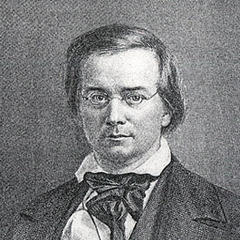
George Perkins Marsh
George Perkins Marsh was an American writer, politician, and naturalist. His work, 'Man and Nature,' is considered a pioneering text in environmental ethics and had a profound impact on the environmental movement that followed. more
You May Also Like
“People see the wrongness in an idea much quicker that the rightness.”
Source: The Works of Thomas Carlyle
Source: On the Economy of Machinery and Manufactures ... Second edition enlarged