Quotessence
Home / Quotes / Quote by Philip Yancey

Quote by Philip Yancey

“Jesus represents a point of common ground an esteemed rabbi to the Jew, a god to the Hindu, an enlightened one to the Buddhist, a great prophet to the Muslim. Even to the New Age guru, Jesus is the pinnacle of God-consciousness. At the same time, Jesus is the divider. None but Christians see Him as a member of the Godhead on an exclusive mission to repair the broken world.”

Quote by Philip Yancey

Author
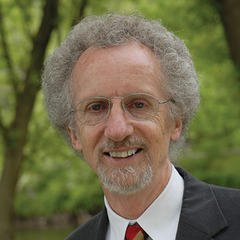
Philip Yancey
Philip Yancey

Philip Yancey (born 1949) is one of the most influential contemporary Christian authors in the United States. He is widely known for his profound explorations of faith, suffering, and grace, blending personal experience, theological reflection, and literary narrative. His bestselling books, including Where Is God When It Hurts?, What's So Amazing About Grace?, and The Jesus I Never Knew, have sold over 15 million copies worldwide and been translated into dozens of languages. Yancey served as an editor for Christianity Today and has written for numerous publications. His honest, thoughtful, and accessible writing style has deeply impacted millions of readers, inviting both believers and skeptics to engage with the complexities of faith. more

You May Also Like

“Christians have an important role to play in contending that no human life is "devoid of value." We can do so through courageous protest, as happened in Germany, as well, as in compassionate care for the most vulnerable members of society, as Mother Teresa did. In both approaches theology - what one believes about God and human life - matters. The world desperately needs that good news.”

“Individuals and societies are not helpless victims of heredity. We have the power to change - not by looking "down" to nature but "up" to God, who consistently calls us forward to become the people we were designed to be. A confused world urgently needs a model of what that looks like. If Christians fail to provide that model, who will?”

“Whoever desires to remain faithful to Jesus must communicate faith as he did, not by compelling assent but by presenting it as a true answer to basic thirst. Rather than looking back nostalgically on a time when Christians wielded more power, I suggest another approach: that we regard ourselves as subversives operating within the broader culture.”

“Our confused society badly needs a community of contrast, a counterculture of ordinary pilgrims who insist living a different way. Unlike popular culture, we will lavish attention on the least "deserving" in direct opposition to our celebrity culture's emphasis on success, wealth, and beauty.”