“Great towers take time to construct.”
Quote by Herman Melville
Work
Mardi: and A Voyage Thither: Works of Melville
This compilation features 'Mardi', a novel that explores themes of adventure and exploration, and 'A Voyage Thither', which is a narrative of a journey across the Pacific Ocean. Melville's writing is known for its rich symbolism and philosophical depth. more
Author
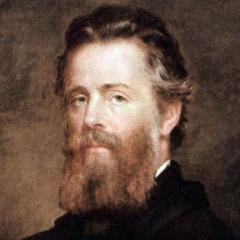
Herman Melville
Herman Melville was a renowned 19th-century American novelist known for his profound psychological descriptions and unique literary style. His masterpiece, 'Moby-Dick', is considered a classic of American literature. more
You May Also Like
“If you begin the day with a laugh, you may, nevertheless, end it with a sob and a sigh.”
Source: Delphi Complete Works of Herman Melville (Illustrated)
Source: Delphi Complete Works of Herman Melville (Illustrated)
Source: Delphi Complete Works of Herman Melville (Illustrated)
“God is liberal of color; so should man be.”
Source: Piazza Tales and Other Prose Pieces, 1839-1860: Volume Nine, Scholarly Edition
Source: Piazza Tales and Other Prose Pieces, 1839-1860: Volume Nine, Scholarly Edition
Source: Pierre: Or, the Ambiguities
Source: Typee: A Peep at Polynesian Life, During a Four Months' Residence in the Valley of the Marquesas
Source: Pierre; or The Ambiguities
“Niggards are oftentimes neat.”
Source: Mardi: and A Voyage Thither: Works of Melville
Source: Delphi Complete Works of Herman Melville (Illustrated)