“It is better to be thought perverse than insincere.”
Quote by Samuel Richardson
Work
Clarissa; Or, The History of a Young Lady: Comprehending the Most Important Concerns of Private Life
Clarissa is a seminal work in English literature, exploring themes of morality, social status, and the complexities of personal relationships. The narrative follows the life of Clarissa Harlowe, detailing her struggles and the impact of societal expectations on her life. more
Author
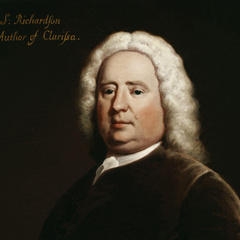
Samuel Richardson
Samuel Richardson (August 19, 1689 - July 4, 1761) was an 18th-century English writer, widely regarded as one of the founders of the modern English novel. Born in London during the reign of James II, he initially worked in book printing and publishing before turning to writing. Richardson's major works include 'Pamela,' 'Clarissa,' and 'Sir Charles Grandison,' which are renowned for their psychological depth and vivid character development. He pioneered the use of diary and epistolary formats, allowing readers intimate access to characters' inner worlds. His novels were immensely popular in their time and significantly influenced the development of the novel form, particularly in psychological characterization and social commentary. Richardson's focus on moral instruction and feminine virtue reflected 18th-century English societal values. more
You May Also Like
“Nothing dries sooner than tears.”
Source: Letters and passages restored from the original manuscripts of the History of Clarissa. To which is subjoined, a collection of such of the moral and instructive sentiments ... contained in the History, as are presumed to be of general use and service ... Published for the sake of doing justice to the purchasers of the first two editions of that work
“Hope is the cordial that keeps life from stagnating.”
Source: Clarissa Or The History of a Young Lady : Comprehending the Most Important Concerns of Private Life; and Particularly Shewing the Distresses that May Attend the Misconduct Both of Parents and Children, in Relation to Marriage
“That dangerous but too commonly received notion, that a reformed rake makes the best husband.”
Source: Clarissa: Or, the History of a Young Lady. Comprehending the Most Important Concerns of Private Life. ... By Mr. Samuel Richardson. In Eight Volumes
“A widow's refusal of a lover is seldom so explicit as to exclude hope.”
Source: A collection of the moral and instructive sentiments: a facsimile reproduction
“To be a clergyman, and all that is compassionate and virtuous, ought to be the same thing.”
Source: A collection of the moral and instructive sentiments, maxims, cautions, and reflexions, contained in the histories of Pamela, Clarissa, and Sir Charles Grandison: Digested under proper heads, with references to the volume, ...
“We are all very ready to believe what we like.”
Source: Clarissa; Or, The History of a Young Lady: Comprehending the Most Important Concerns of Private Life
Source: A collection of the moral and instructive sentiments, maxims, cautions, and reflexions, contained in the histories of Pamela, Clarissa, and Sir Charles Grandison: Digested under proper heads, with references to the volume, ...
Source: A collection of the moral and instructive sentiments: a facsimile reproduction
“Great allowances ought to be made for the petulance of persons labouring under ill-health.”