“Many thoughts are so dependent upon the language in which they are clothed that they would lose half their beauty if otherwise expressed.”
Quote by John Ruskin
Work
Pt. 1-2. of general principles and of truth
The book is divided into two sections. The first part establishes general principles, likely serving as the groundwork for a broader philosophical system. The second part delves into the concept of truth, exploring its definitions, criteria, and implications within the framework of the principles previously outlined. The text is structured as a systematic inquiry, aiming to clarify fundamental concepts in epistemology and metaphysics. more
Author
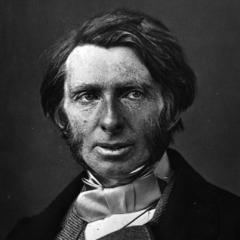
John Ruskin
John Ruskin was an influential British art critic, writer, and social critic. Known for his profound insights into art, architecture, and social issues, he had a significant impact on the aesthetics and culture of the Victorian era. more
You May Also Like
“The spirit needs several sorts of food of which knowledge is only one.”
Source: The Stones of Venice
“Know thyself, for through thyself only thou canst know God.”
Source: Modern Painters
Source: Fermi Remembered
Source: The Genius of John Ruskin: Selections from His Writings
Source: The Stones of Venice -: The Sea Stories
Source: The Religion of Ruskin: The Life and Works of John Ruskin; a Biographical and Anthological Study
Source: The Two Paths: Being Lectures on Art, and Its Application to Decoration and Manufacture, Delivered in 1858-9
Source: The Genius of John Ruskin: Selections from His Writings