Quotessence
Home / Quotes / Quote by Pedro Noguera

Quote by Pedro Noguera

“The origins of these [schooling] federal policies were tied to President Johnson's war on poverty. Supplemental funds were sent to school districts serving poor children to compensate for issues related to poverty. Since the enactment of NCLB, the focus on mitigating poverty has been replaced by a focus on accountability as measured by test scores.”

Quote by Pedro Noguera

Author
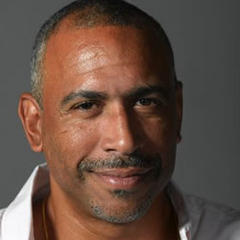
Pedro Noguera
Pedro Noguera

Pedro Noguera is an esteemed education scholar, born on August 7, 1959. He has extensive research and practical experience in the fields of educational policy, social justice, and school reform. more

You May Also Like

“California, because of their Equity Funding Formula, moves a step in that direction by sending more resources to communities and students that face greater levels of poverty. But California is doing that from a greater position of real weakness, because they were already so far behind other states in funding per student. It’s a step, but many more steps need to be taken.”

“It's been a struggling school for many, many years, and [that's] not surprising since it's serving some of the most disadvantaged kids in the city. It wasn't the only one by any means, but it was among those. It shows that things like good, steady, stable leadership makes a huge difference; focusing on the culture of the schools as a place where kids feel supported and want to be; supporting the teachers, so they want to stay and work hard.”

“We know that African American students tend to be relational learners. It's about the relationships between a teacher and student. Students respond well to teachers they know, believe in them, care about them, but also who teach in a matter that elicits a more active approach to learning, rather than just sitting and listening. The research on this is strong and has been available for a long time, but it is not widely practiced. That's a huge obstacle.”

“Teaching in Providence and Oakland, I realized that the first thing is that it wasn't good enough to come in and assume that I had what my students needed in terms of knowledge and skills. I also had to show them that I was their ally. I had to show them that I was concerned about them, wanted to relate to them, and that I was fundamentally on their side.”