Quotessence
Home / Quotes / Quote by Torquato Tasso

Quote by Torquato Tasso

“Clorinda fui, né sol qui spirto umano albergo in questa pianta rozza e dura, ma ciascun altro ancor, franco o pagano, che lassi i membri a piè de l'alte mura, astretto è qui da novo incanto e strano, non so s'io dica in corpo o in sepoltura.”

Quote by Torquato Tasso

Work

Jerusalem Delivered

Browse quotes and source details for this work. more

Author

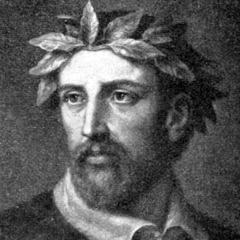
Torquato Tasso
Torquato Tasso

Torquato Tasso (March 11, 1544 – April 25, 1595) was a prominent Italian poet of the late Renaissance, best known for his epic poem 'Jerusalem Delivered' (Gerusalemme Liberata). Born in Sorrento, he traveled widely in Italy and was deeply influenced by classical literature and Christian themes. His works blend epic tradition with religious fervor, exploring war, love, and faith. Tasso's poetic language is elegant and emotionally rich, leaving a lasting impact on European literature. However, his later years were marred by mental illness and religious persecution, leading to a tragic end in Rome. His life and work became a key inspiration for the Romantic movement. more
You May Also Like

“Writing a second book is not like writing the first. I don't mean that every book is different, though of course there's an element of that. The crucial difference is that when you write your first book, you don't have a publisher, which means you don't have a deadline. Deadlines-well. Deadlines put a whole new spin on this writing lark.”

“As all this suggests our relationship with evidence is seldom purely a cognitive one. Vilifying menstruating women bolstering anti-Muslim stereotypes murdering innocent citizens of Salem plainly evidence is almost always invariably a political social and moral issue as well. To take a particularly stark example consider the case of Albert Speer minister of armaments and war production during the Third Reich close friend to Adolf Hitler and highest-ranking Nazi official to ever express remorse for his actions. In his memoir Inside the Third Reich Speer candidly addressed his failure to look for evidence of what was happening around him. "I did not query a friend who told him not to visit Auschwitz I did not query Himmler I did not query Hitler " he wrote. "I did not speak with personal friends. I did not investigate for I did not want to know what was happening there... for fear of discovering something which might have made me turn away from my course. I had closed my eyes." Judge William Stoughton of Salem Massachusetts became complicit in injustice and murder by accepting evidence that he should have ignored. Albert Speer became complicit by ignoring evidence he should have accepted. Together they show us some of the gravest possible consequences of mismanaging the data around us and the vital importance of learning to manage it better. It is possible to do this: like in the U.S. legal system we as individuals can develop a fairer and more consistent relationship to evidence over time. By indirection Speer himself shows us how to begin. I did not query he wrote. I did not speak. I did not investigate. I closed my eyes. This are sins of omission sins of passivity and they suggest correctly that if we want to improve our relationship with evidence we must take a more active role in how we think must in a sense take the reins of our own minds. To do this we must query and speak and investigate and open our eyes. Specifically and crucially we must learn to actively combat our inductive biases: to deliberately seek out evidence that challenges our beliefs and to take seriously such evidence when we come across it.”