“These reflections made me very sensible of the goodness of Providence to me, and very thankful for my present condition, with all its hardships and misfortunes ; and this part also I cannot but recommend to the reflection of those who are apt, in their misery, to say, Is any affliction like mine? Let them consider how much worse the cases of some people are, and their case might have been, if Providence had thought fit.”
Quote by Daniel Defoe
Work
The life and surprising adventures of Robinson Crusoe: of York, mariner; with a biographical account of Defoe
This book is a first-person account of Robinson Crusoe's life, detailing his experiences as a mariner and his subsequent survival on a deserted island. It also includes a biographical sketch of the author, Daniel Defoe. more
Author
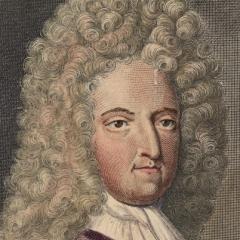
Daniel Defoe
Daniel Defoe, an English writer born on September 13, 1660, and died on April 24, 1731. His works covered a wide range of genres, including adventure novels, political satire, and philosophical thinking, with his most famous work being 'Robinson Crusoe'. Defoe's works have had a profound impact on literature. more
You May Also Like
Source: The Portable Edmund Burke
Source: The Life and Adventures of Robinson Crusoe of York, Mariner with an Account of His Travels Round Three Parts of the Globe
“All evils are to be considered with the good that is in them, and with what worse attends them.”
Source: The life and adventures of Robinson Crusoe of York, mariner, written by himself [by D. Defoe
Source: The Life and Surprising Adventures of Robinson Crusoe, of York, Mariner ...: With an Account of His Travels Round Three Parts of the Globe
Source: The pilgrim hawk: a love story
Source: The Art of Happiness, 10th Anniversary Edition: A Handbook for Living
“During your life, never stop dreaming. No one can take away your dreams”