Quotessence
Home / Quotes / Quote by Seneca the Younger

Quote by Seneca the Younger

Author

Seneca the Younger
Seneca the Younger

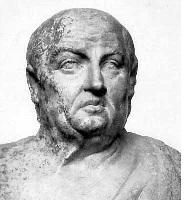
Seneca the Younger (4 BC - 65 AD) was a renowned Roman philosopher, statesman, and playwright. Born into a wealthy Roman family, he served as a government official in the Roman Empire. Seneca's philosophy was deeply influenced by Stoicism, and his works have had a profound impact on later generations. more

You May Also Like

“Certainly, Gandhi is not inferior to Christ in goodness and sanctity, and he surpasses him in touching humility. Gandhi is the prophet of hope in this age of pessimism and disillusionment. He is a promise of sanity in the madness induced by our world's heedless drinking at the fount of war.”

“The notion of dream interpretation far antedates the birth of psychoanalysis, and probably served an important function in most, if not all, historical societies. In having lost this function, modern man has also lost the best part of his nature, which he obliviously passes on to the next generation of dreamers.”

“Art creates an incomparable and unique effect, and, having done so, passes on to other things. Nature, upon the other hand, forgetting that that imitation can be made the sincerest form of insult, keeps on repeating this effect until we all become absolutely wearied of it.”

“Though neither happiness nor respect are worth anything, because unless both are coming from the truest motives, they are simply deceits. A successful man earns the respect of the world never mind what is the state of his mind, or his manner of earning. So what is the good of such respect, and how happy will such a man be in himself? And if he is what passes for happy, such a state is lower than the self-content of the meanest animal.”

“Intimacy is not trapped within words. It passes through words. It passes. The truth is that intimates leave the room. Doors close. Faces move away from the window. Time passes. Voices recede into the dark. Death finally quiets the voice. And there is no way to deny it. No way to stand in the crowd, uttering one's family language.”