Quotessence
Home / Quotes / Quote by Charles Dickens

Quote by Charles Dickens

“The meagre lighthouse all in white, haunting the seaboard, as if it were the ghost of an edifice that had once had colour and rotundity, dripped melancholy tears after its late buffeting by the waves.”

Quote by Charles Dickens

Work

LITTLE DORRIT

Charles Dickens' 'Little Dorrit' is a complex narrative that explores themes of social class, family loyalty, and the human spirit. The story follows Amy Dorrit, a young woman who spends her formative years in the Marshalsea prison with her family, who are there due to financial debts. The novel delves into the lives of various characters, including Amy's brother Arthur, who is mistakenly believed to be a criminal, and her friend, the artist Merdle. Through these characters, Dickens critiques the British legal system and societal norms of his time. more
Author

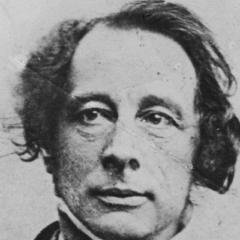
Charles Dickens
Charles Dickens

Charles Dickens, a British writer born on February 7, 1812, and died on June 9, 1870, is one of the greatest novelists of the 19th century. Known for his profound social criticism and vivid narrative style, Dickens' works extensively cover social reality, revealing various issues in the British society of the time. more

You May Also Like

“Blackened skeleton arms of wood by the wayside pointed upward to the convent, as if the ghosts of former travellers, overwhelmed by the snow, haunted the scene of their distress. Icicle-hung caves and cellars built for refuges from sudden storms, were like so many whispers of the perils of the place; never-resting wreaths and mazes of mist wandered about, hunted by a moaning wind; and snow, the besetting danger of the mountain, against which all its defences were taken, drifted sharply down.”

“An aria in an opera - Handel's 'Ombra mai fu,' for example - gets along with an incredibly small number of words and ideas and a large amount of variation and repetition. That's the beauty of it. It's not taxing to the listener's intelligence because if you haven't heard it the first time round, it'll come around again.”

“The weathercocks on spires and housetops were mysterious with hints of stormy wind, and pointed, like so many ghostly fingers, out to dangerous seas, where fragments of great wrecks were drifting, perhaps, and helpless men were rocked upon them into a sleep as deep as the unfathomable waters.”

“The town was glad with morning light; places that had shown ugly and distrustful all night long, now wore a smile; and sparkling sunbeams dancing on chamber windows, and twinkling through blind and curtain before sleepers’ eyes, shed light even into dreams, and chased away the shadows of the night.”

“It was a murky confusion — here and there blotted with a color like the color of the smoke from damp fuel — of flying clouds tossed up into most remarkable heaps, suggesting greater heights in the clouds than there were depths below them to the bottom of the deepest hollows in the earth, through which the wild moon seemed to plunge headlong, as if, in a dread disturbance of the laws of nature, she had lost her way and were frightened.”