“[T]he foundation of a great Empire is laid, and I please myself with a persuasion, that Providence will not leave its work imperfect.”
Quote by George Washington
Work
pt. III. Private letters from the time Washington resigned his commission as commander-in-chief of the Army to that of his inauguration as president of the United States: December, 1783-April, 1789
The letters provide insight into Washington's thoughts and experiences during a pivotal time in American history, covering the transition from military leadership to the establishment of the new nation's political framework. more
Author
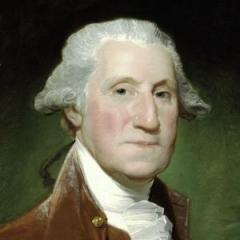
George Washington
George Washington was the first President of the United States and a key figure in the American Revolutionary War. Born on February 22, 1732, and died on December 14, 1799, Washington is known for his strong leadership and belief in democracy, playing a crucial role in American history. more
You May Also Like
Source: The Federalist, on the New Constitution, Written in the Year 1788
Source: An Examination Into the Leading Principles of the Federal Constitution Proposed by the Late Convention Held at Philadelphia: With Answers to the Principal Objections that Have Been Raised Against the System
Source: Selected writings and speeches of Alexander Hamilton
Source: The Federalist, on the New Constitution, Written in 1788
“My all-time favorite program in my entire life was 'Buffy the Vampire Slayer.'”
Source: The Federalist, on the New Constitution: Written in 1788
Source: The Federalist Papers: A Collection of Essays Written in Favour of the New Constitution
Source: The Federalist on the New Constitution
Source: The Federalist, on the New Constitution, Written in the Year 1788