“If you inquire what people are like here, I must answer, "The same as everywhere."”
Quote by Johann Wolfgang von Goethe
Work
THE SORROWS OF YOUNG WERTHER (Literary Classics Series): Historical Romance Novel
This novel is a poignant exploration of love, loss, and the complexities of human emotions. Set in the 18th century, it follows the story of Werther, a young man who becomes deeply infatuated with a woman named Charlotte. As their relationship unfolds, Werther's emotional state spirals into despair, leading to a tragic conclusion. The novel is renowned for its vivid portrayal of the protagonist's inner turmoil and has become a classic in the genre of historical romance. more
Author
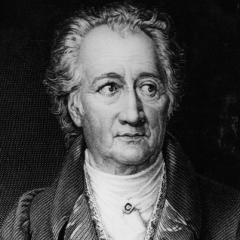
Johann Wolfgang von Goethe
Johann Wolfgang von Goethe, born on August 28, 1749, and died on March 22, 1832, was a prominent German writer, thinker, and scientist. He is one of the greatest writers in German literary history and his works have had a profound impact on the world. His most famous works include 'Faust' and 'The Sorrows of Young Werther'. more
You May Also Like
Source: The Whole Works of John Bunyan ...: Reprinted from the Author's Own Editions
Source: The affluent society