“The most universal and effectual way of discovering the true meaning of law, when the words are dubious, is by considering the reason and spirit of it; or the cause which moved the legislator to enact it. for when this reason ceased, the law itself ought likewise to cease with it.”
Quote by William Blackstone
Work
Commentaries on the Laws of England: Of the Rights of People
This work forms part of a comprehensive legal commentary that systematically addresses the structure and principles of English law. The section concerning the rights of people explores the legal status, protections, and fundamental entitlements afforded to persons within the jurisdiction. It addresses matters such as personal liberty, property rights, and the constitutional safeguards that define the relationship between the individual and the state. The text reflects the legal framework of its era, drawing upon established precedents, statutory provisions, and customary practices to articulate how English law conceptualized and protected individual rights. As a historical legal document, it provides insight into the evolution of legal thought regarding personal rights and remains relevant for understanding the development of common law traditions. more
Author
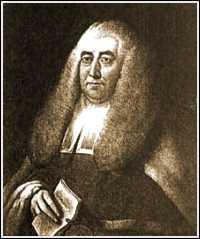
William Blackstone
William Blackstone, a British jurist, was born on July 10, 1723, and died on February 14, 1780. He is a significant figure in the history of British law, known for his systematic compilation and exposition of the common law of England. more
You May Also Like
Source: Delphi Complete Works of Edmund Burke (Illustrated)
Source: The Inherent Evils of All State Governments Demonstrated; Being a Reprint of ...
Source: An Essay on the Regulation of the Press
“When he is sick, every man wants his mother.”
Source: Zuckerman Bound: A Trilogy and Epilogue 1979-1985
“Losing is like my ex-wife... it's a b****, and it takes a bigger man than me to live with it.”
“A Black Belt under the Nogueira Brothers is like saying I got a free toy in my happy meal”
“GSP is good, but don't get me wrong he better stay at 170 with the other midgetts.”