“[She] soon perceived that as she walked in the flock, sometimes with this one, sometimes with that, that the fresh night air was producing staggerings and serpentine courses among the men who had partaken too freely; some of the more careless women were also wandering in their gait. . . . Yet however terrestrial and lumpy their appearance just now to the mean unglamoured eye, to themselves the case was different. They followed the road with a sensation that they were soaring along in a supporting medium, possessed of original and profound thoughts, themselves and surrounding nature forming an organism of which all the parts harmoniously and joyously interpenetrated each other. They were as sublime as the moon and stars above them, and the moon and stars were as ardent as they.”
Quote by Thomas Hardy
Work
Tess of the D’Urbervilles
Browse quotes and source details for this work. more
Author
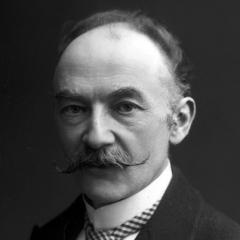
Thomas Hardy
Thomas Hardy, a British novelist born on June 2, 1840, and died on January 11, 1928, is renowned for his novels that depict rural life, reflecting the social changes in 19th-century England. His works often carry a sense of pessimism, depicting the fates of characters with sympathy. more
You May Also Like
Source: Christmas Holiday
“beware women grown old who were never anything but young”
Source: The People Look Like Flowers at Last
Source: The Irrational Mind: How To Fight Back Against The Hidden Forces That Affect Our Decision Making
“Women and cats do what they do; there is nothing a man can do about it”
Source: The Cat Who Walks Through Walls
Source: The Bluest Eye
“We can’t force healing on anyone else. All you can do is be a beacon of light for others.”
Source: Tilda Is Visible
“Once we’ve grown used to the weight of loss and the impermanence of everything, something shifts.”
Source: Tilda Is Visible
Source: Thomas Cromwell: The Untold Story of Henry VIII's Most Faithful Servant
Source: Transit
Source: The Vaster Wilds