“The bottle of red brush on a white table gleamed throughout the remaining years of my childhood as the sign of what was possible there.”
Quote by Siri Hustvedt
Work
A Plea for Eros: Essays
This work presents a series of reflective essays that examine the nature of eros and its expression in human experience. The writing delves into questions of love, attraction, and the emotional bonds that connect people. Through literary analysis and personal reflection, the essays probe the complexities of desire and its role in art, relationships, and daily life. The collection offers readers an intellectual exploration of how eros shapes human perception and interaction with the world. more
Author
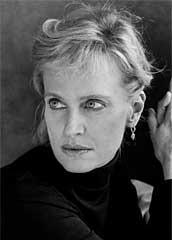
Siri Hustvedt
Siri Hustvedt is an American novelist born on February 19, 1955. Her works are known for their deep psychological insights and exploration of female experiences. Hustvedt's novels often blend philosophy, literature, and psychology, showcasing complex characters and inner worlds. more
You May Also Like
Source: Cataract City
Source: Sonora
Source: Eat, Pray, Love
“Something can only become an illusion after disillusionment. Before that, it is something real.”
Source: What It Is
Source: Childhood
Source: Aftermath: On Marriage and Separation
Source: Selected Writings
Source: Childhood
Source: The Tombs of Atuan