“To observe is not to not feel—in fact, it is to put yourself at the mercy of feeling, like the child's warm skin meeting the cold air of midnight. My own children, too, have been roused from the unconsciousness of childhood; theirs too is the pain and the gift of awareness. 'I have two homes,' my daughter said to me one evening, clearly and carefully, 'and I have no home.' To suffer and to know what it is that you suffer: how can that be measured against its much-prized opposite, the ability to be happy without knowing why?”
Quote by Rachel Cusk
Work
Aftermath: On Marriage and Separation
This book delves into the emotional and psychological aspects of marriage and its dissolution, offering insights into the personal experiences and societal perceptions surrounding these life-changing events. more
Author
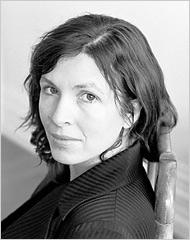
Rachel Cusk
Rachel Cusk, born in 1967, is a distinguished British novelist. Her works are renowned for their unique narrative style and profound insights into modern life. Cusk's writing spans a range of themes including personal experience, family relationships, and social change, and has garnered widespread acclaim from readers. more
You May Also Like
Source: Selected Writings
Source: Childhood
Source: The Tombs of Atuan
Source: Never Judge a Lady by Her Cover
Source: Childhood
Source: The View from the Cheap Seats: Selected Nonfiction
Source: The Story Smuggler