Quotessence
Home / Quotes / Quote by Charlotte Bronte

Quote by Charlotte Bronte

“My hopes were all dead --- struck with a subtle doom, such as, in one night, fell on all the first-born in the land of Egypt. I looked on my cherished wishes, yesterday so blooming and glowing; they lay stark, chill, livid corpses that could never revive.”

Quote by Charlotte Bronte

Work

Jane Eyre

Charlotte Brontë's 'Jane Eyre' is a poignant narrative of a young woman's journey from poverty and hardship to self-discovery and love. The story unfolds in the English countryside, where Jane's life is transformed by her employment at Thornfield Hall and her complex relationship with its enigmatic owner, Edward Rochester. The novel explores themes of social class, individualism, and the struggle for independence, while offering a rich portrayal of the human spirit. more

Author

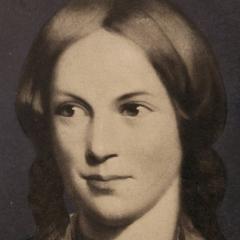
Charlotte Bronte
Charlotte Bronte

Charlotte Brontë was an English novelist known for her novel Jane Eyre, which is considered a classic of English literature. Her works are known for their deep psychological insights and emotional intensity. more

You May Also Like

“Enjoy the blessings Heaven bestows, Assist his friends, forgive his foes; Trust God, and keep his statutes still, Upright and firm, through good and ill; Thankful for all that God has given, Fixing his firmest hopes on heaven; Knowing that earthly joys decay, But hoping through the darkest day.”

“Is not the real experience of each individual very limited? And, if a writer dwells upon that solely or principally, is he not in danger of repeating himself, and also of becoming an egotist? Then, too, imagination is a strong, restless faculty, which claims to be heard and exercised: are we to be quite deaf to her cry, and insensate to her struggles? When she shows us bright pictures, are we never to look at them, and try to reproduce them? And when she is eloquent, and speaks rapidly and urgently in our ear, are we not to write to her dictation?”

“Art is the one form of human energy in the whole world, which really works for union, and destroys the barriers between man and man. It is the continual, unconscious replacement, however fleeting, of oneself by another; the real cement of human life; the everlasting refreshment and renewal. For, what is grievous, dompting, grim, about our lives is that we are shut up within ourselves, with an itch to get outside ourselves. And to be stolen away from ourselves by Art is a momentary relaxation from that itching, a minute's profound, and as it were secret, enfranchisement.”