Quotessence
Home / Quotes / Quote by George Crabbe

Quote by George Crabbe

Work

The poetical works of the Rev. George Crabbe: in eight volumes

The 'The poetical works of the Rev. George Crabbe: in eight volumes' is a comprehensive compilation of the poetry written by George Crabbe, a notable English poet. The collection spans eight volumes, offering readers a wide array of Crabbe's verse and poetic compositions. It serves as a significant resource for those interested in studying Crabbe's literary legacy and his impact on English poetry. more

Author
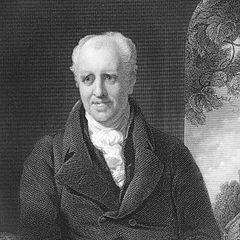
George Crabbe
George Crabbe

George Crabbe (December 24, 1754 - February 3, 1832) was an English poet known for his profound depictions of rural life and critical reflections on social realities. His poetry, characterized by its detailed portrayal of the countryside and social commentary, has earned him a place as one of the most significant poets of the late 18th and early 19th centuries. more

You May Also Like

“Fortunes are made, if I the facts may state-- Though poor myself, I know the fortunate: First, there's a knowledge of the way from whence Good fortune comes--and this is sterling sense: Then perseverance, never to decline The chase of riches till the prey is thine; And firmness never to be drawn away By any passion from that noble prey-- By love, ambition, study, travel, fame, Or the vain hope that lives upon a name.”

“Blest be the gracious Power, who taught mankind To stamp a lasting image of the mind! Beasts may convey, and tuneful birds may sing, Their mutual feelings, in the opening spring; But Man alone has skill and power to send The heart's warm dictates to the distant friend; 'Tis his alone to please, instruct, advise Ages remote, and nations yet to rise.”

“To every class we have a school assign'd, Rules for all ranks, and food for every mind: Yet one there is, that small regard to rule Or study pays, and still is deem'd a school; That, where a deaf, poor, patient widow sits, And awes some thirty infants as she knits; Infants of humble, busy wives, who pay Some trifling price for freedom through the day. At this good matron's hut the children meet, Who thus becomes the mother of the street.”

“Beauties, when disposed to sleep, Should from the eye of keen inspector keep: The lovely nymph who would her swain surprise, May close her mouth, but not conceal her eyes; Sleep from the fairest face some beauty takes, And all the homely features homelier makes.”

“A club there is of smokers--dare you come To that close, clouded, hot, narcotic room? When, midnight past, the very candles seem Dying for air, and give a ghastly gleam; When curling fumes in lazy wreaths arise, And prosing topers rub their winking eyes.”

“When winter stern, his gloomy front uprears, A sable void the barren earth appears; The meads no more their former verdure boast, Fast-bound their streams, and all their beauty lost; The herds, the flocks, in icy garments mourn, and wildly murmur for the Spring's return; From snow-topp'd hills the whirlwinds keenly blow, Howl through the woods, and pierce the vales below, Through the sharp air a flaky torrent flies, Mocks the slow sight, and hides the gloomy skies.”