“Fortunes are made, if I the facts may state-- Though poor myself, I know the fortunate: First, there's a knowledge of the way from whence Good fortune comes--and this is sterling sense: Then perseverance, never to decline The chase of riches till the prey is thine; And firmness never to be drawn away By any passion from that noble prey-- By love, ambition, study, travel, fame, Or the vain hope that lives upon a name.”
Quote by George Crabbe
Work
The Poetical Works of Crabbe, Heber, and Pollok: Complete in One Volume
This volume presents the poetry of Crabbe, Heber, and Pollok, showcasing their full body of work in one convenient edition. The poets' works are renowned for their contributions to English literature, and this collection aims to provide readers with a comprehensive view of their poetic achievements. more
Author
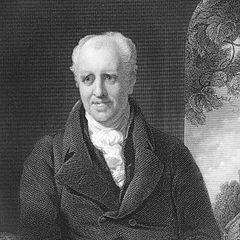
George Crabbe
George Crabbe (December 24, 1754 - February 3, 1832) was an English poet known for his profound depictions of rural life and critical reflections on social realities. His poetry, characterized by its detailed portrayal of the countryside and social commentary, has earned him a place as one of the most significant poets of the late 18th and early 19th centuries. more
You May Also Like
Source: The Poetical Works of George Crabbe
Source: The Poetical Works of George Crabbe: With a Life of the Author
“Fears of sinning let in thoughts of sin.”
Source: The poetical works of the Rev. George Crabbe: in eight volumes
Source: The poetical works of the Rev. George Crabbe: in eight volumes
Source: The poetical works of the Rev. George Crabbe: in eight volumes
Source: The poetical works of the Rev. George Crabbe: in eight volumes
Source: The Life and Poetical Works of the Rev. George Crabbe
Source: The Poetical Works of Crabbe, Heber, and Pollok: Complete in One Volume