“It seems then, say I, that you leave politics entirely out of the question, and never suppose, that a wise magistrate can justly be jealous of certain tenets of philosophy, such as those of Epicurus, which, denying a divine existence, and consequently a providence and a future state, seem to loosen, in a great measure, the ties of morality, and may be supposed, for that reason, pernicious to the peace of civil society.”
Quote by David Hume
Work
An Enquiry Concerning Human Understanding: A Critical Edition
This book is a scholarly edition of a seminal philosophical text that delves into the nature of human understanding, perception, and the limits of human knowledge. The critical edition aims to provide a comprehensive and annotated version of the original work, offering readers insights into the author's arguments and their historical context. more
Author
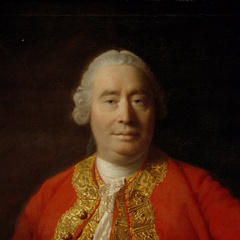
David Hume
David Hume, born on May 7, 1711, in Edinburgh, Scotland, and died on August 25, 1776, was an outstanding philosopher, historian, and economist. Known for his contributions to empiricism and skepticism, his works have had a profound impact on subsequent philosophy, economics, and psychology. more
You May Also Like
Source: The Essays of Michel de Montaigne
Source: The Essays of Michel de Montaigne
Source: The Essays of Michel de Montaigne
Source: Essays in Humanism