Quotessence
Home / Quotes / Quote by Elizabeth Barrett Browning

Quote by Elizabeth Barrett Browning

Work

A Selection from the Poetry of Elizabeth Barrett Browning

A curated selection of Elizabeth Barrett Browning's poetry, showcasing her romantic and lyrical style, exploring themes of love, nature, and personal reflection. more

Author
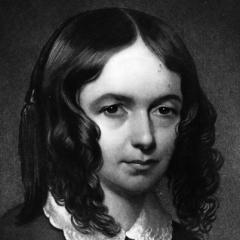
Elizabeth Barrett Browning

Elizabeth Barrett Browning, a prominent English Romantic poet, was born on March 6, 1806, and died on June 29, 1861. Her poetry is renowned for its profound emotions and rich imagination, making her one of the greatest female poets of the 19th century. more

You May Also Like

“Great potential for personal empowerment can be found in attending to our awareness of global problems and to our understanding of how they connect with each other and with our personal lives. The process of naming the danger, saying aloud that the threats to life on earth are real, moves us from the numbness of denial to the aliveness that makes action possible.”

“If we are to give our utmost effort and skill and enthusiasm, we must believe in ourselves, which means believing in our past and in our future, in our parents and in our children, in that particular blend of moral purpose and practical inventiveness which is the American character.”

“In contrast to our own social environment which brings out different aspects of human nature and often demonstrated that behavior which occurs almost invariably in individuals within our society is nevertheless due not to original nature but to social environment; and a homogeneous and simple development of the individual may be studied.”

“No skill, no special apti­tude, no vividness of imagination or precision of thinking would go unrecognized because the child who possessed it was of one sex rather than the other. No child would be relentlessly shaped to one pattern of behavior, but instead there should be many patterns, in a world that had learned to allow to each individual the pattern which was most congenial to his gifts.”