“If any student of social science comes to appreciate the case of the Forgotten Man, he will become an unflinching advocate of strict scientific thinking in sociology, and a hard-hearted skeptic as regards any scheme of social amelioration. He will always want to know, Who and where is the Forgotten Man in this case, who will have to pay for it all?”
Quote by William Graham Sumner
Work
What Social Classes Owe to Each Other
This book delves into the complex dynamics of social class relationships, examining the reciprocal obligations and contributions that exist among various societal strata. more
Author
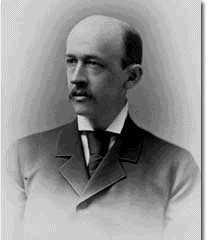
William Graham Sumner
William Graham Sumner was an influential American political scientist born on October 30, 1840, and died on April 12, 1910. He was a leading figure in social Darwinism and had a profound impact on American political thought from the late 19th to the early 20th century. more
You May Also Like
“Give people plenty and security, and they will fall into spiritual torpor.”
Source: In Our Hands: A Plan to Replace the Welfare State
“Society in its full sense . . . is never an entity separable from the individuals who compose it.”
Source: PATTERNS OF CULTURE
“But a society that has nothing to die for has nothing to live for . . .”
Source: After America: Get Ready for Armageddon
Source: Decline and Fall of the Roman Empire: The Modern Library Collection (Complete and Unabridged)
Source: The History of the Decline and Fall of the Roman Empire
Source: Plutarch's Lives
“For my own part, I adhere to the maxim of antiquity, that the throne is a glorious sepulchre.”
Source: THE HISTORY OF THE DECLINE AND FALL OF THE ROMAN EMPIRE (All 6 Volumes): From the Height of the Roman Empire, the Age of Trajan and the Antonines - to the Fall of Byzantium; Including a Review of the Crusades, and the State of Rome during the Middle Ages
“I'm not talking with an American accent. I haven't gone off and become Sammy Hagar.”