Quotessence
Home / Quotes / Quote by Cressida Cowell

Quote by Cressida Cowell

Work

How to Train Your Dragon: How To Train Your Dragon

This book delves into the art of training dragons, exploring the dynamics of trust, communication, and partnership between humans and dragons. It may include practical tips, historical anecdotes, and insights into the behavior and psychology of dragons. more

Author
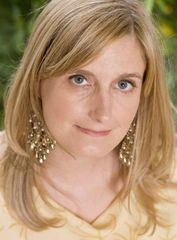
Cressida Cowell
Cressida Cowell

Cressida Cowell is a celebrated author of children's literature, particularly known for her fantasy and adventure stories. Born on April 15, 1966, she has penned numerous books that have captivated the imaginations of young readers around the globe. more

You May Also Like

“Yes, she is." He looks at me, his face carved in pain. "She is dying, Sara. She will die, either tonight or tomorrow or maybe a year from now if we're really lucky. You heard what Dr. Chance said. Arsenic's not a cure. It just postpones what's coming." My eyes fill up with tears. "But I love her," I say, because that is reason enough.”

“Um, Bella? You've got a huge cut on your forehead, and it's gushing blood," he informed me. I clapped my hand over my head. Sure enough, it was wet and sticky. I could smell nothing but the damp moss on my face, and that held off the nausea. Oh, I'm so sorry, Jacob." I pushed hard against the gash, as if I could force the blood back inside my head. Why are you apologizing for bleeding?" he wondered as he wrapped a long arm around my waist and and pulled me to my feet.”

“His skin was a pretty colour, it made me jealous. Jacob noticed my scrutiny. What?" he asked, suddenly self-conscious. "Nothing. I just hadn't realised before. Did you know, you're sort of beautiful?" Once the words slipped out, I worried that he might take my implusive observation the wrong way. But Jacob rolled his eyes. "You hit your head pretty hard, didn't you?" "I'm serious." Well, then, thanks. Sort of." I grinned. "You're sort of welcome.”

“Even today we don't pay serious attention to the issue of poverty, because the powerful remain relatively untouched by it. Most people distance themselves from the issue by saying that if the poor worked harder, they wouldn't be poor.”