“If youth is the season of hope, it is often so only in the sense that our elders are hopeful about us; for no age is so apt as youth to think its emotions, partings, and resolves are the last of their kind. Each crisis seems final, simply because it is new. We are told that the oldest inhabitants in Peru do not cease to be agitated by the earthquakes, but they probably see beyond each shock, and reflect that there are plenty more to come.”
Quote by George Eliot
Work
Delphi Complete Works of George Eliot (Illustrated)
The Delphi Complete Works of George Eliot (Illustrated) is a curated compilation of the author's extensive body of work. It features her most celebrated novels, such as 'Middlemarch' and 'Silas Marner,' alongside her shorter stories and essays. The inclusion of illustrations adds a visual dimension to the text, offering readers a richer experience of her writing. This collection is designed to cater to both casual readers and scholars interested in the works of George Eliot. more
Author
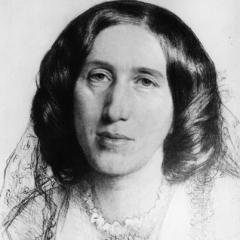
George Eliot
George Eliot, born Mary Ann Evans, was a renowned 19th-century British novelist. Her works are known for their profound psychological insights and critical exploration of social issues. With her unique narrative techniques and rich emotional expression, she has had a profound impact on literature. more
You May Also Like
“Don't write about Man; write about a man.”
Source: The SECOND TREE from the CORNER
Source: On Writing
Source: Cut
“If a conclusion is not poetically balanced, it cannot be scientifically true.”
Source: The Robots of Dawn
“In a world of sorrow, love was an act of will. All you needed were the right ingredients.”
Source: The Story Sisters: A Novel