“I have never made it a consideration whether the subject was popular or unpopular, but whether it was right or wrong; for that which is right will become popular, and that which is wrong, though by mistake it may obtain the cry or fashion of the day, will soon lose the power of delusion, and sink into disesteem.”
Quote by Thomas Paine
Work
Common Sense, The Crisis, & Other Writings from the American Revolution: (Library of America Paperback Classic)
This Library of America Paperback Classic compiles key writings from the American Revolution era. It features Thomas Paine's Common Sense, which played a significant role in the American Revolution, advocating for independence from Great Britain. The collection also includes Paine's The Crisis series, which provided moral and political arguments for the revolutionary cause. The texts offer a glimpse into the intellectual and philosophical underpinnings of the nation's birth and the ideas that fueled the struggle for independence. more
Author
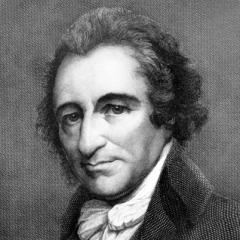
Thomas Paine
Thomas Paine, born on February 9, 1737, and died on June 8, 1809, was a prominent American writer, political figure, and philosopher during the American Revolutionary War. He is renowned for his radical democratic ideas and his contributions to the American independence movement. more
You May Also Like
Source: The Federalist, on the New Constitution, Written in the Year 1788
“Words not only affect us temporarily; they change us, they socialize or unsocialize us.”
Source: The Lonely Crowd: A Study of the Changing American Character
“Darkness within darkness. The gateway to all understanding.”
Source: Les Misérables