“No existence can be validly fulfilled if it is limited to itself.”
Quote by Simone de Beauvoir
Work
The Philosophical Library Existentialism Collection: Essays in Metaphysics, The Ethics of Ambiguity, and The Philosophy of Existentialism
The Philosophical Library Existentialism Collection is a curated selection of essays that examine the fundamental aspects of existentialist thought. It encompasses discussions on metaphysical inquiries and the complexities of ethical ambiguity. The collection includes works that have significantly contributed to the understanding and development of existentialist philosophy. more
Author
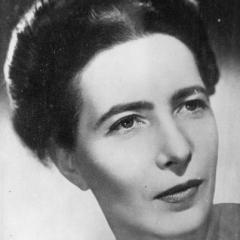
Simone de Beauvoir
Simone de Beauvoir was a French writer, philosopher, feminist, and social activist. Known for her profound philosophical thoughts and her advocacy for women's status, she is one of the most influential female thinkers of the 20th century. Her works spanned various genres, including novels, philosophical essays, plays, and memoirs, with her most famous work being 'The Second Sex'. more
You May Also Like
Source: The Philosophical Library Existentialism Collection: Essays in Metaphysics, The Ethics of Ambiguity, and The Philosophy of Existentialism
Source: The Vision of Nietzsche
Source: The Philosophical Library Existentialism Collection: Essays in Metaphysics, The Ethics of Ambiguity, and The Philosophy of Existentialism
Source: Philosophy in the Tragic Age of the Greeks
Source: The William James Reader
Source: Anger, Madness, and the Daimonic: The Psychological Genesis of Violence, Evil, and Creativity