“As the grand discordant harmony of the celestial bodies may be explained by the simple principles of gravity and impulse, so also in that more wonderful and complicated microcosm, the heart of man, all the phenomena of morals are perhaps resolvable into one single principle, the pursuit of apparent good; for although customs universally vary, yet man in all climates and countries is essentially the same.”
Quote by Charles Caleb Colton
Work
Lacon, Or, Many Things in a Few Words: Addressed to Those who Think
This work delves into the principles of conciseness, offering insights into how to convey complex ideas effectively through minimal language. Aimed at those who appreciate the value of brevity, it serves as a guide to thoughtful and impactful communication. more
Author
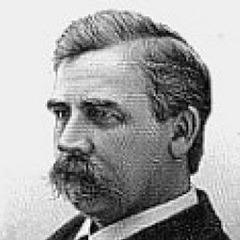
Charles Caleb Colton
Charles Caleb Colton was an English writer active from 1780 to 1832. Known for his humor and wit, he is particularly recognized for his aphorisms and satirical works. more
You May Also Like
Source: Lacon: Or Many Things in Few Words, Addressed to Those who Think
Source: Lacon: Or Many Things in Few Words, Addressed to Those who Think
Source: Lacon, Or, Many Things in a Few Words: Addressed to Those who Think
Source: Lacon: Or Many Things in Few Words, Addressed to Those who Think
“Folly disgusts us less by her ignorance than pedantry by her learning.”
Source: Lacon, Or, Many Things in a Few Words: Addressed to Those who Think
Source: Lacon: Or, Many Things in Few Words, Addressed to Those who Think
Source: Lacon, Or, Many Things in a Few Words: Addressed to Those who Think