“Any system, biological, economic, or social, that gets so encrusted that it cannot self-evolve, a system that systematically scorns experimentation and wipes out the raw material of innovation, is doomed over the long term on this highly variable planet.”
Quote by Donella Meadows
Work
Thinking in Systems: A Primer
This book serves as an introductory text on systems thinking, examining the principles and practices of analyzing and designing systems. It delves into the core concepts of systems theory, providing insights into how systems operate and evolve. The author offers practical tools and frameworks for understanding and managing complexity in various contexts, including social, economic, and environmental systems. more
Author
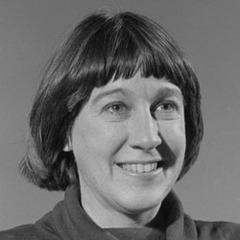
Donella Meadows
Donella Meadows was an American environmental writer and systems thinker, recognized for her significant contributions to the field of environmental sustainability and systems dynamics. She was a senior associate at the MIT Sloan School of Management and co-founded the Sustainability Institute. Meadows is best known for her book 'The Limits to Growth', which she co-authored with Dennis Meadows, Jørgen Randers, and William W. Behrens III. more
You May Also Like
“Hayek, in my view, is the leading economic thinker of the 20th century.”
“I believe that every human mind feels pleasure in doing good to another.”
Source: Jefferson: Political Writings