“My sister having so much to do, was going to church vicariously, that is to say, Joe and I were going.”
Book:Great Expectations
“My sister having so much to do, was going to church vicariously, that is to say, Joe and I were going.”
This novel follows the journey of Pip, a young boy who is raised by his sister and her husband, Joe Gargery, a blacksmith. After receiving a mysterious gift that leads him to believe he has been chosen for a better life, Pip embarks on a quest to fulfill his 'great expectations.' The story delves into Pip's interactions with various characters, including the wealthy Miss Havisham and her adopted daughter Estella, and the convict Magwitch, who ultimately reveals a profound connection to Pip's past. more
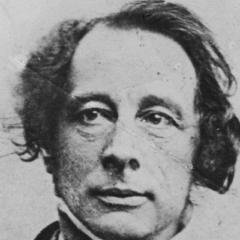
Charles Dickens, a British writer born on February 7, 1812, and died on June 9, 1870, is one of the greatest novelists of the 19th century. Known for his profound social criticism and vivid narrative style, Dickens' works extensively cover social reality, revealing various issues in the British society of the time. more
“I have to go," I say, "I am baking a cake.”
“Millions of people are being denied their eligible disability benefits through feeble excuses!”
“The ones looking for happiness in others are the ones who haven’t learned contentment.”