“The whole people must take upon themselves the education of the whole people, and must be willing to bear the expenses of it. There should not be a district of one mile square, without a school in it, not founded by a charitable individual, but maintained at the public expense of the people themselves.”
Quote by John Adams
Work
The Works [of] John Adams, Second President of the United States: Official letters, messages, and public papers. Correspondence
The book is a compilation of John Adams' official correspondence, including letters, messages, and public papers. It provides insight into his political thought, diplomacy, and personal life. The collection spans his presidency and his later years, offering a detailed view of his role in shaping American history. more
Author
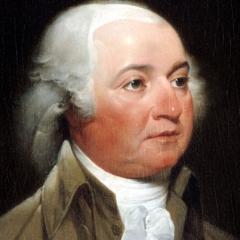
John Adams
John Adams, the second President of the United States, was a statesman, diplomat, and writer. Born on October 30, 1735, and died on July 4, 1826, Adams played a significant role in the American Revolutionary War. He was one of the drafters of the Declaration of Independence and served as the President from 1789 to 1797. more
You May Also Like
Source: The Portable John Adams
“A native of America who cannot read or write is . . . as rare as a comet or an earthquake.”
Source: The Works of John Adams, Second President of the United States: With a Life of the Author, Notes and Illustrations
“Jesus brooded upon the Divine imminence until at last he could declare, 'I and my Father are One.'”
Source: Mind is the Master: The Complete James Allen Treasury
Source: Brothers, We Are Not Professionals: A Plea to Pastors for Radical Ministry
Source: Oxford Children's Classics: The Call of the Wild