“I'm not interested into victim photography. Photographing people suffering and putting it on a museum wall is too weird.”
Quote by Richard Misrach
Author
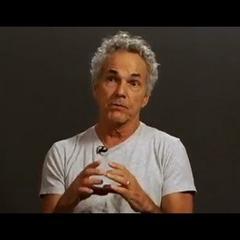
Richard Misrach
Richard Misrach (born December 1, 1949) is an American photographer known for his large-scale color photographs that explore human impact on the natural landscape. Often called a pioneer of environmental photography, his work addresses themes such as industrialization, urbanization, and ecological change. Born in Los Angeles, California, Misrach studied at the University of California, Berkeley. His most famous series, 'Desert Cantos,' documents the American Southwest's deserts, highlighting traces of human activity like nuclear test sites and military bases. His photography is characterized by vivid colors and expansive compositions, blending art with environmental advocacy. Misrach's works are held in major museums worldwide, including the Museum of Modern Art in New York and the San Francisco Museum of Modern Art. He has received numerous awards, including a Guggenheim Fellowship and grants from the National Endowment for the Arts. His art prompts reflection on humanity's relationship with nature. more