Quotessence
Home / Quotes / Quote by Mel Brooks

Quote by Mel Brooks

Author

Mel Brooks
Mel Brooks

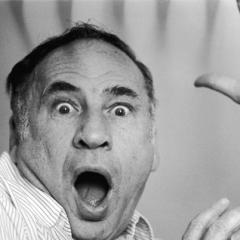
Mel Brooks, born on June 28, 1926, is an accomplished American film director, screenwriter, and comedic actor. Known for his humor, satire, and wit, his works include classics such as 'The Producers', 'Annie Hall', and 'Monty Python and the Holy Grail'. more

You May Also Like

“But the monotonous life led by invalids often makes them like children, inasmuch as thy have neither of them any sense of proportion in events, and seem each to believe that the walls and curtains which shut in their world, and shut out everything else, must of necessity be larger than anything hidden beyond.”

“She lay down and never stirred. To move hand or foot, or even so much as one finger, would have been an exertion beyond the powers of either volition or motion. She was so tired, so stunned, that she thought she never slept at all; her feverish thoughts passed and repassed the boundary between sleeping and waking, and kept their own miserable identity.”

“We do not look for reason for logic in the passionate entreaties of those who are sick unto death; we are stung with the recollection of a thousand slighted opportunities of fulfilling the wishes of those who will soon pass away from among us: and do they ask us for the future happiness of our lives, we lay it at their feet, and will it away from us.”

“He could remember all about it now; the pitiful figure he must have cut; the absurd way in which he had gone and done the very thing he had so often agreed with himself in thinking would be the most foolish thing in the world; and had met with exactly the consequences which, in these wise moods, he had always foretold were certain to follow, if he ever did make such a fool of himself.”

“Blot your misdeeds out (if you are particularly conscientious), by a good deed, as soon as you can; just as we did a correct sum at school on the slate, where an incorrect one was only half rubbed out. It was better than wetting our sponge with our tears; both less loss of time where tears had to be waited for, and a better effect at last.”