“I am learning to live close to the lives of my friends without ever seeing them. No miles of any measurement can separate your soul from mine.”
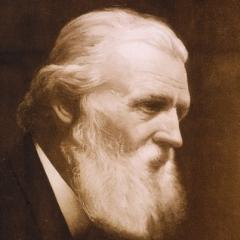
Quote by John Muir
Work
John Muir: His Life and Letters and Other Writings
This volume brings together selected letters and other writings associated with John Muir, the Scottish-born American naturalist, author, and early advocate for wilderness preservation. The book presents Muir's personal correspondence alongside additional texts that illuminate his experiences in the American West, his founding role in the Sierra Club, and his influence on the establishment of national parks. The compilation provides a documentary portrait of Muir's thoughts on nature, his travels, and his efforts to protect wild landscapes, drawing from his own words and contemporary accounts. more
Author
You May Also Like
“Nothing worth having was ever achieved without effort.”
Source: Theodore Roosevelt on Bravery: Lessons from the Most Courageous Leader of the Twentieth Century
Source: Peace Pilgrim: Her Life and Work in Her Own Words
Source: The essential writings of Erasmus Darwin
Source: Zoonomia; or, The laws of organic life ...