“I have a hundred times heard him say, that all ages and nations have represented their gods as wicked, in a constantly increasing progression; that mankind have gone on adding trait after trait till they reached the most perfect conception of wickedness which the human mind could devise, and have called this God, and prostrated themselves before it.”
Quote by John Stuart Mill
Work
John Stuart Mill: Life, Life Lessons & Achievements: Childhood and Early Education, Moral Influences in Early Youth, Youthful Propagandism, Completion of the
John Stuart Mill: Life, Life Lessons & Achievements: Childhood and Early Education, Moral Influences in Early Youth, Youthful Propagandism, Completion of the delves into the formative years of the influential philosopher and economist. It examines Mill's early education, the moral influences that shaped his youth, his early involvement in political activism, and his journey to completing his seminal work. more
Author
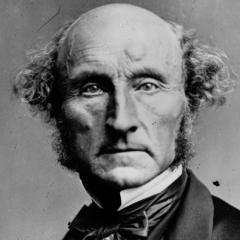
John Stuart Mill
John Stuart Mill was an influential British philosopher, economist, and logician. He is one of the most important figures in 19th-century philosophy and his ideas had a profound impact on political, social, and philosophical thought of the time. more
You May Also Like
Source: Mrs. Dalloway - Broadview Edition
Source: The Way of All Flesh
“The day soldiers stop bringing you their problems is the day you have stopped leading them.”
Source: My American Journey
Source: Bookless In Baghdad
Source: Bookless In Baghdad
Source: Bookless In Baghdad